
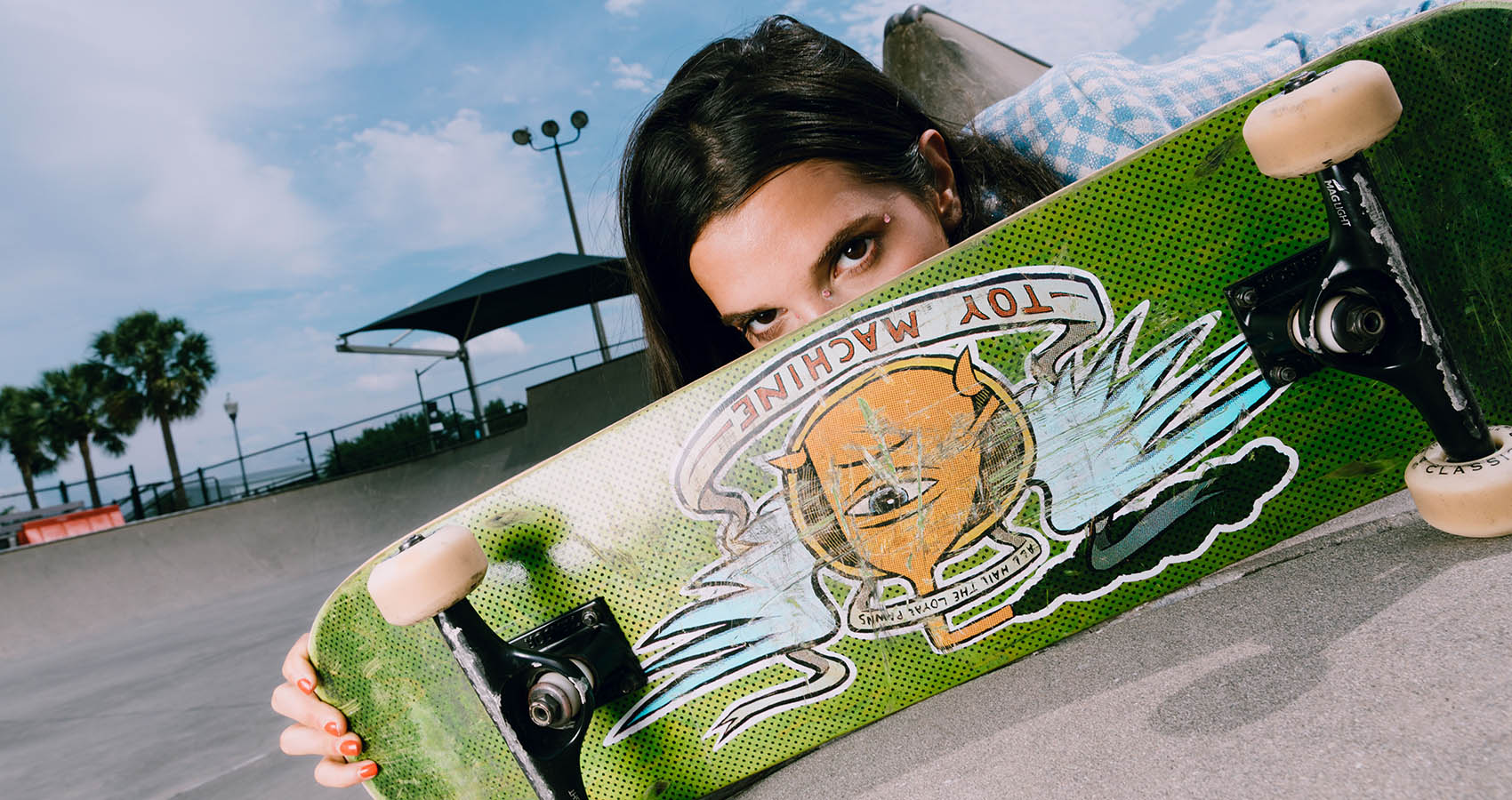
Why Did Skateboarding Get So Expensive?
Skateboarding used to be the hobby you picked when your parents didn't want to pay for your hobby.
Now you're standing in a skateshop looking at an €85 deck thinking:
"Maybe I'll take up chess."
A skateboard used to be pretty simple.
You needed a deck.
Some trucks.
Wheels.
Bearings.
A pair of shoes you didn't mind destroying.
Then you went outside.
Nobody asked what formula your wheels used.
Nobody needed to know whether your deck had some revolutionary new construction technology.
You certainly didn't need to spend half a month's pocket money before you were allowed to ollie.
But somewhere along the way, skateboarding got expensive.
And we're not talking about some guy buying a $300 limited-edition collector deck.
We're talking about normal skateboarding.
The €300 Skateboard
Let's build a completely normal setup.
A decent deck: €70–85.
Trucks: €50–70.
Wheels: €40–60.
Bearings: €15–30.
Grip: another few euros.
And then you need shoes.
Suddenly you're somewhere around €250–350.
For a skateboard.
And that's before you've bought your first hoodie with a tiny logo on it.
The really funny part is that you're not buying something that lasts forever.
You're buying a collection of things designed to be destroyed.
The deck gets razor-tailed.
The shoes get holes.
The wheels get flatspots.
The bearings get filled with whatever was lying on the pavement.
And eventually you do it all again.
You don't buy a skateboard.
You subscribe to skateboarding.
The Deck Is Basically A Consumable
Imagine if other sports worked like this.
You buy a €300 tennis racket.
Then three months later someone tells you:
"Yeah, you're going to need another one."
You'd probably have questions.
Skateboarders just nod.
Especially if you skate street.
One bad session can turn a perfectly good deck into something that looks like it was recovered from a house fire.
And the answer is always:
"Whatever. I needed a new deck anyway."
Of course you did.
Then There Are The Shoes
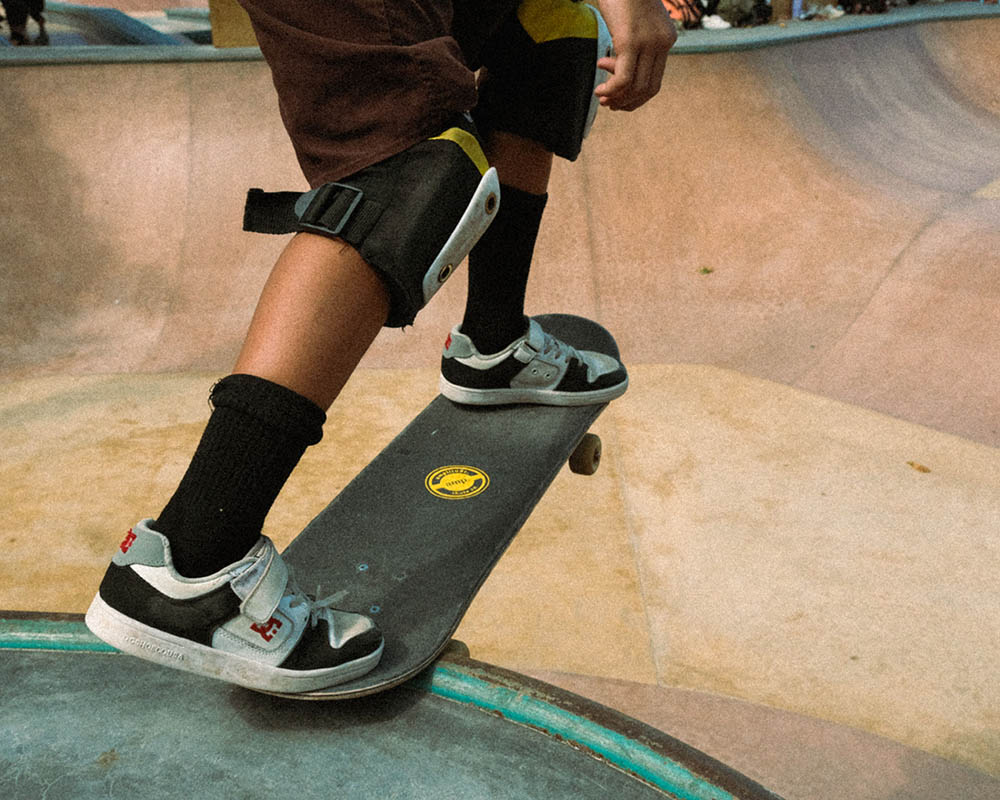
Skate shoes have become their own little financial crisis.
€80.
€100.
€120.
And then you immediately start sanding through them with your kickflips.
It's one of the only hobbies where buying expensive equipment can actually make the equipment worse.
The better you skate, the faster you destroy your shoes.
Congratulations.
You're getting good.
You're also going to need new shoes.
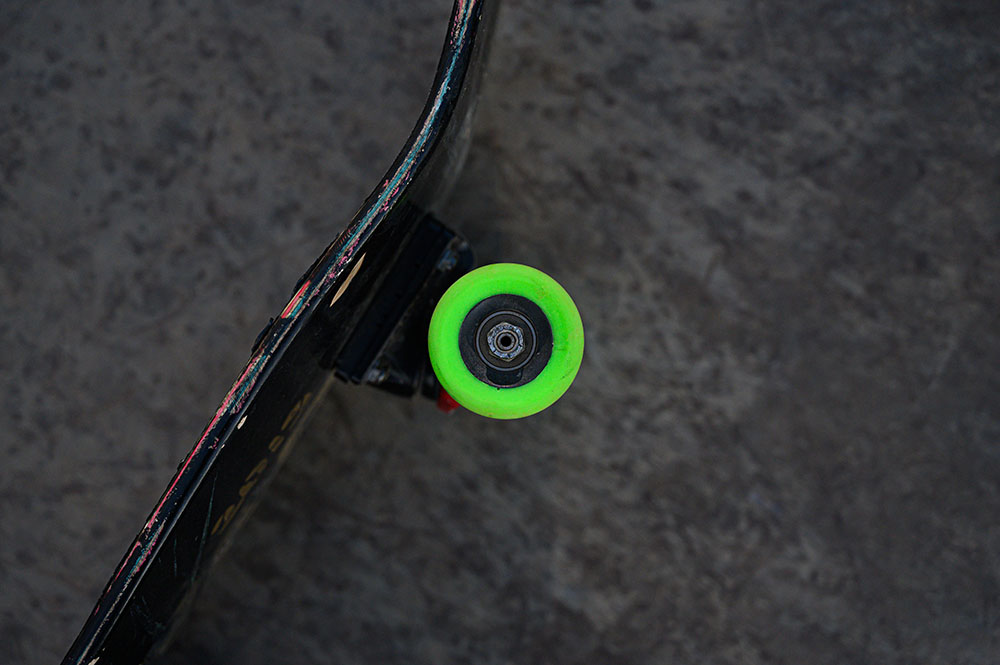
And Then You Discover Skateboard Wheels
This is where things get completely ridiculous.
There are now so many wheels that choosing a set can feel like configuring a race car.
97A.
99A.
101A.
Different formulas.
Different shapes.
Different contact patches.
Different cores.
Different technologies.
Somewhere, someone is probably currently developing a wheel that has been optimized for landing switch backside 360s specifically on slightly dusty European concrete.
And you're just trying to skate a curb.
The good news is that you don't need to understand any of this.
The bad news is that the internet will happily convince you that you do.
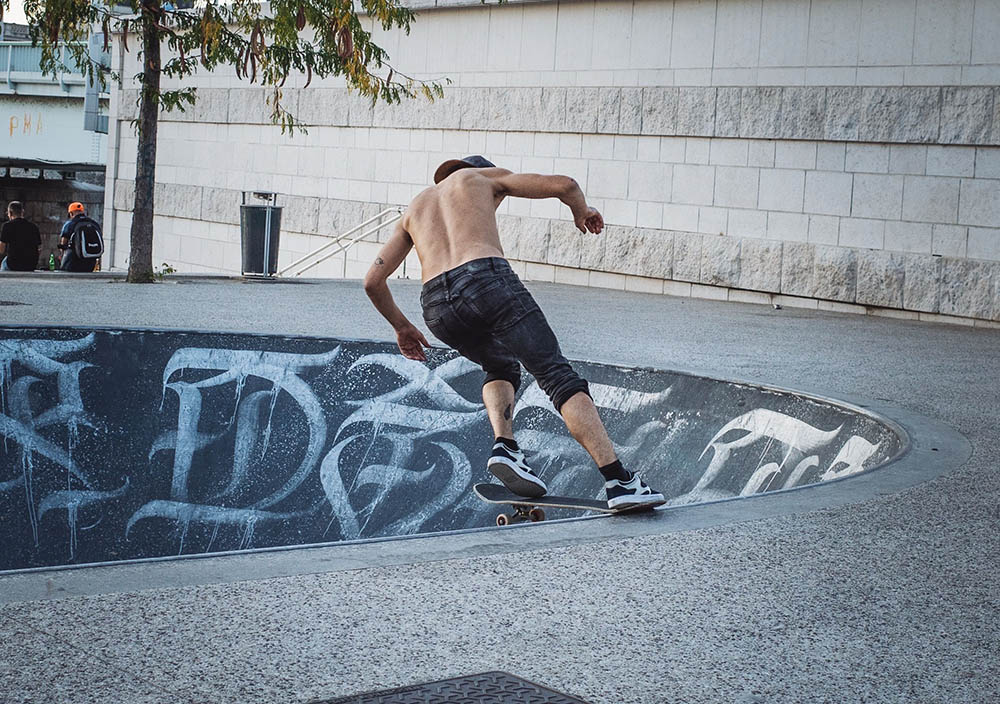
So Everyone Just Buys Online
And here's where we're supposed to tell you to support your local skateshop.
Except...
A lot of skaters already buy online.
Not because they hate skateshops.
Because it's easy.
You know what you want.
You search for it.
You compare prices.
You order it.
Done.
No journey across town.
No wondering whether they have your size.
No awkward conversation.
No standing in the corner pretending you know why this particular wheel is superior to the one next to it.
The parcel arrives at your door.
Beautiful.
The Weird Territory Of The Cool Skateshop
And let's be honest.
Some skateshops have a very specific atmosphere.
You walk in and immediately feel like you've entered somebody else's territory.
Three people are standing behind the counter.
You don't know if you're supposed to say hello.
Nobody says anything.
You're looking at decks.
They're looking at you.
You start wondering whether you need to prove that you actually skate before you're allowed to buy something.
Obviously, plenty of skateshops aren't like this.
Some are friendly, welcoming and deeply involved in their local scene.
Some are basically community centers with skateboards on the walls.
But there is definitely a type of "we're the coolest people in the room" skate-shop attitude that can make the experience feel unnecessarily intimidating.
And if you're a beginner?
Good luck.
You just wanted to buy a board.
Now you're wondering whether you're being judged for your shoe choice.
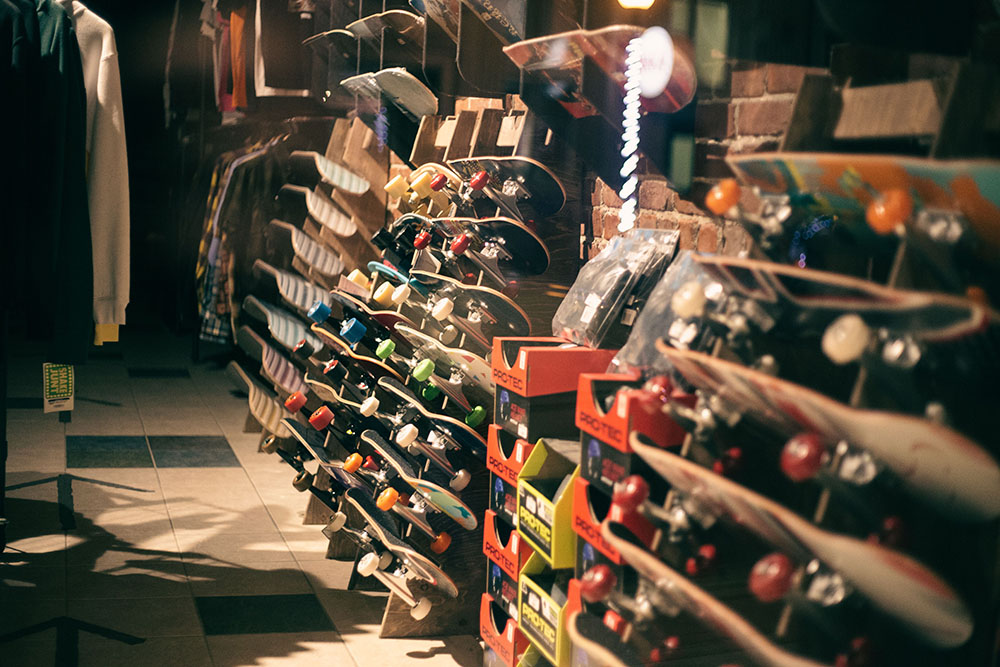
But Why Do Local Shops Matter?
This is where the argument gets complicated.
A good local skate shop does more than sell products.
They sponsor local skaters.
Support contests.
Help with events.
Know what's happening in the scene.
Put up flyers.
Give beginners advice.
Sometimes they are the reason a local scene exists at all.
That's real value.
But we also can't pretend that every skater automatically wants to buy from a local shop.
People shop online because it's convenient.
It's often cheaper.
There's more choice.
And you can take your time deciding what you want without someone standing three feet away.
That's not a moral failure.
That's just shopping in 2026.
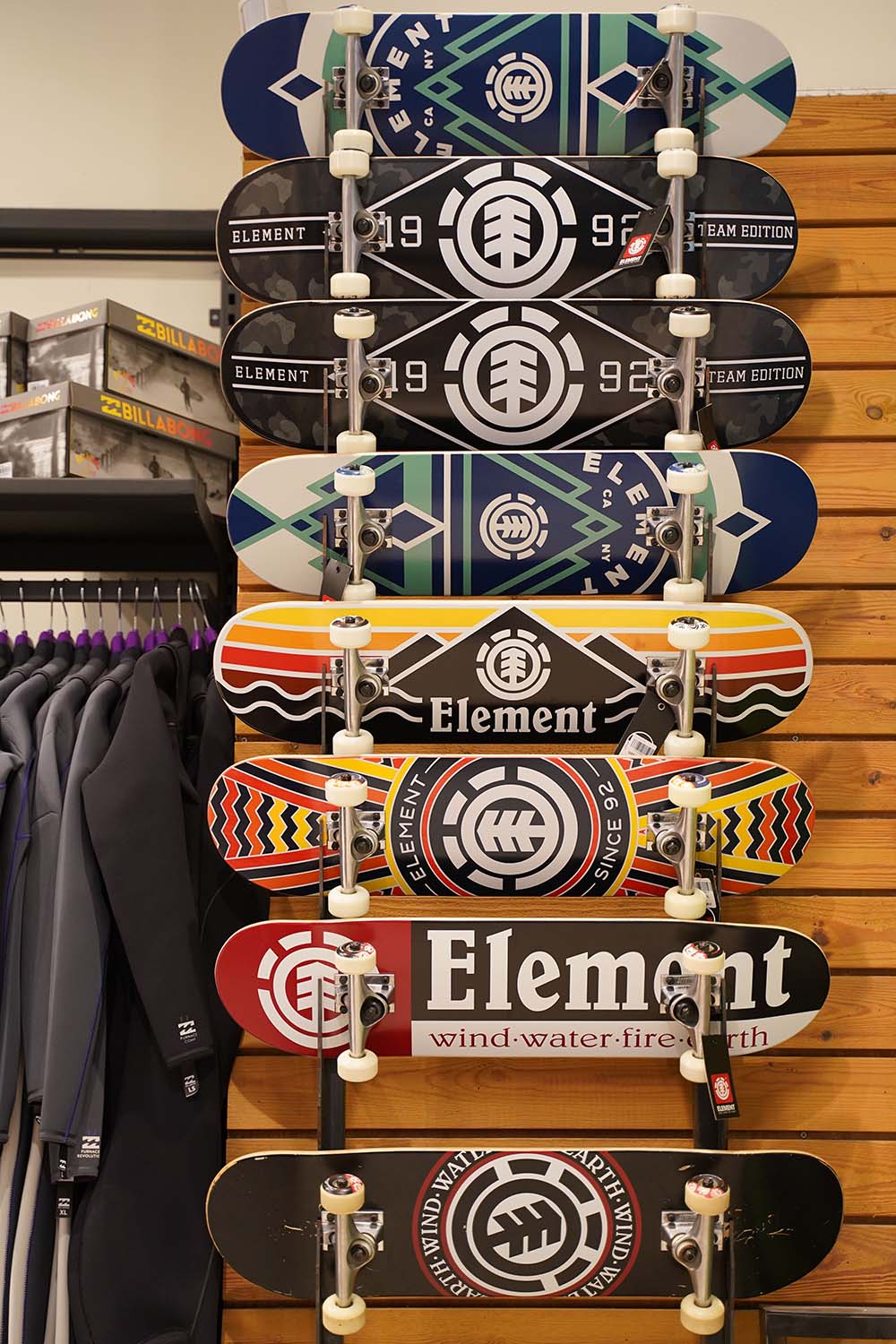
The Cheap Complete Problem
Then there is the other end of the market.
Cheap completes.
Big retailers.
Mass-produced boards.
They get criticized constantly.
And sure, some of them are terrible.
But there's an important thing people forget:
A cheap skateboard can get someone into skateboarding.
A kid doesn't necessarily need a €350 setup to discover that they love skating.
If a €100 complete gets them onto four wheels and into a skatepark, that's a win.
The problem starts somewhere else.
If the entire market moves toward either cheap mass-produced products or increasingly expensive premium products, where does the independent skate industry fit?
And more importantly:
Who is left in the middle?
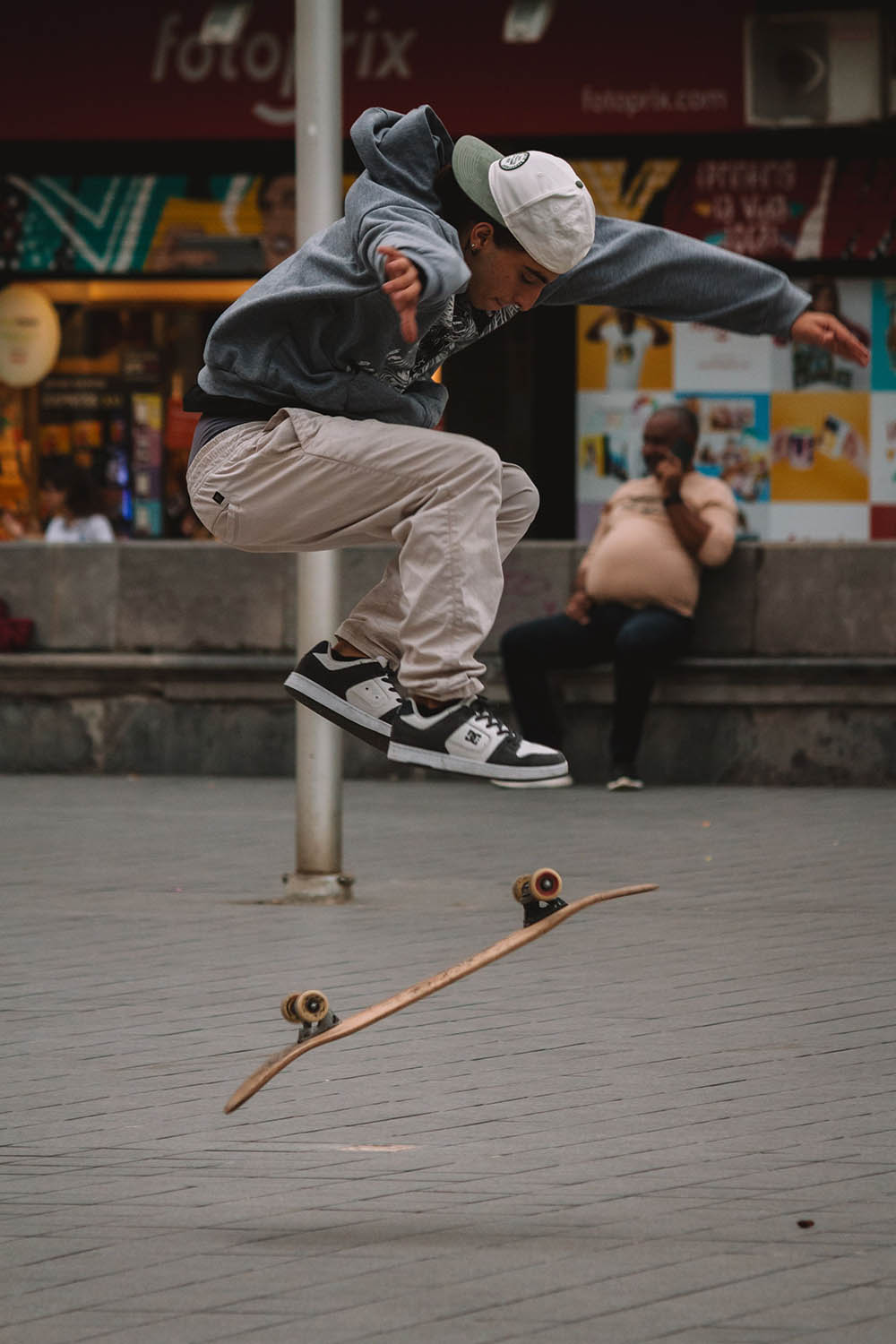
Skateboarding Was Supposed To Be The Cheap One
This might be the biggest thing we've lost.
Skateboarding didn't need much.
No club membership.
No booking a court.
No coach.
No uniform.
No expensive equipment.
You could literally find a piece of pavement and start.
That accessibility was part of the culture.
A teenager with almost no money could still skate.
And that's still possible.
You can buy used equipment.
You can buy cheaper products.
You can replace individual parts instead of buying a complete setup.
You can make things last.
You don't need the newest deck every three months.
You don't need the latest shoe.
You definitely don't need the wheel that supposedly contains NASA technology.
But the fact remains:
Skateboarding isn't nearly as cheap as it used to feel.
Maybe The Problem Isn't The Price
Maybe the bigger problem is that we're being convinced we need more.
More technology.
More formulas.
More products.
More versions.
More limited editions.
More expensive shoes.
More "premium" everything.
Skateboarding has always been pretty good at taking something simple and making it unnecessarily complicated.
A piece of wood.
Four wheels.
Eight bearings.
And suddenly we're discussing proprietary urethane compounds like we're at a Formula 1 engineering meeting.
Maybe you don't need the best deck.
Maybe you don't need the most expensive wheels.
Maybe your €60 shoes will skate exactly the same as the €110 ones.
Maybe the old board in your closet still has another month left in it.
And maybe that's the real way to keep skateboarding affordable.
Not by pretending prices haven't gone up.
Not by telling everyone to feel guilty for shopping online.
But by remembering that you don't actually need everything the industry is selling you.
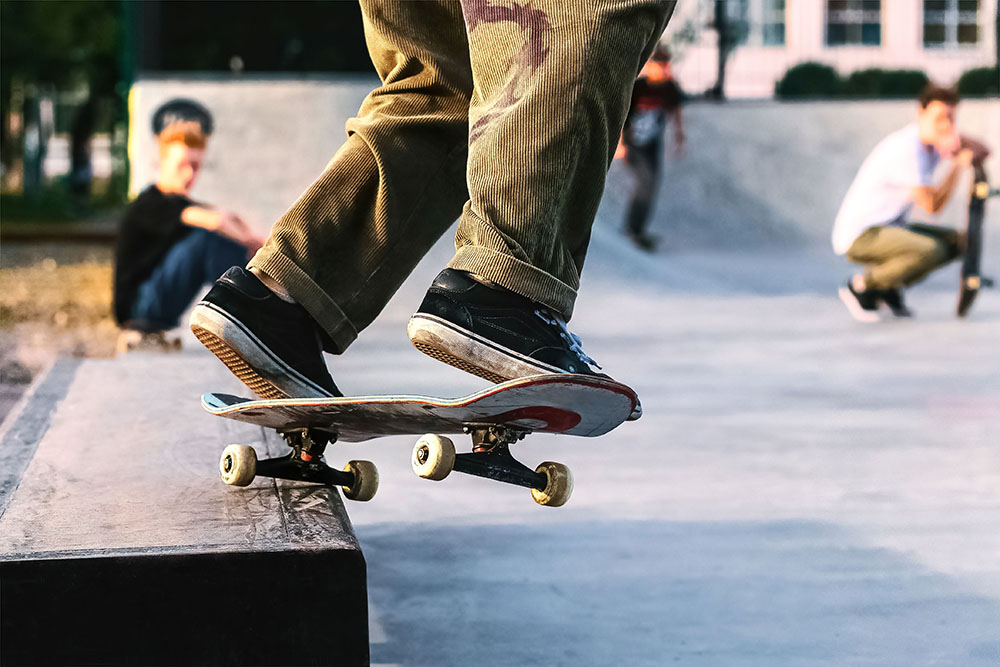
Because The Best Part Is Still Free
The good thing about skateboarding is that the actual activity hasn't changed.
You can still grab your board.
Meet your friends.
Find a spot.
Skate until your legs hurt.
Sit on the pavement.
Drink something cold.
Go home.
Come back tomorrow.
Nobody charges you by the hour.
Nobody asks for a membership fee.
Nobody checks whether your wheels are from the latest urethane batch.
And nobody cares how much your setup cost when you land the trick.
They just yell:
"YES!"
That's probably worth remembering.
Because skateboarding shouldn't become a hobby where you need to check your bank account before trying something new.
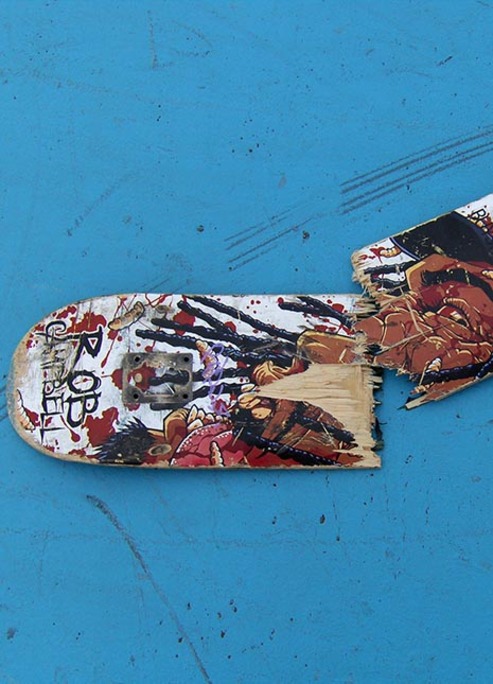
It should still be possible to be broke, destroy a pair of shoes, snap a deck and spend the entire afternoon skating.
That's how a lot of us got into it.
Skateboarding was never cheap because the industry was doing us a favor.
It was cheap because you didn't need much.
A board.
Some pavement.
Your friends.
And enough money left over for a drink after the session.
And if that all sounds too expensive now?
There's always chess.